

Quick Summary
An older Facebook Page may offer useful history and social proof, but it does not guarantee ad approval, lower costs, higher limits, or safer campaigns.
A Facebook old aged page may look attractive because it has history, followers, and past activity. However, Page age alone does not guarantee ad approval, higher spending limits, lower costs, or better results.
Meta can evaluate the wider business setup, including the Page, ad account, business portfolio, payment method, website, domain, content, and user access. Different assets have their own settings, histories, and status information, but issues with one asset can still affect how Meta evaluates the broader business setup.
What Is a Facebook Aged Page for Ads?
“Aged Facebook Page” is a marketplace term, not a known official Meta status. It usually describes a Page created months or years ago, often with posts, followers, reviews, or other activity.
Age and history are different. A Page created years ago may have little activity, while a newer Page may have a clean and useful business record. Some older Pages also carry past policy problems, false claims, poor reviews, or an audience from another country.
That distinction matters when you assess a Page for advertising. You are not simply acquiring a creation date; you are taking on a public identity and its history.
Does facebook old aged page Improve Ad Approval or Performance?
Meta does not publicly state that Page age directly improves ad approval, delivery, spending limits, CPM, or return on ad spend. No seller should promise those outcomes based on age alone.
An established Page can still help in practical ways. Visitors may see real posts, comments, reviews, and contact details instead of an empty profile, which can support trust after someone sees an ad.
Ad delivery depends on many factors, including campaign quality, audience response, policy compliance, account history, billing behavior, landing-page quality, and the product being promoted. Meta does not publicly explain whether or how Page age factors into ad review or delivery, so it should not be treated as a meaningful advantage by default.
Approval is also not a permanent status. Meta may review ads, Pages, businesses, and payment activity at different points, so a Page that passed a previous review can still face a later check.
What Meta May Consider When Reviewing Advertising Assets
Assets have separate settings, histories, and status information, but Meta may also evaluate their relationships and the broader business setup. A clean Page does not automatically resolve problems associated with an ad account, payment method, website, or business entity.
Asset or signal | What to check |
|---|---|
Facebook Page | Public identity, content, name, category, location, reviews, restrictions, and Page quality. |
Ad account | Past ads, rejected content, payment history, spending behavior, and current restrictions. |
Business portfolio | Business details, connected assets, user roles, security settings, and verification status. |
Website and domain | Clear ownership, working pages, contact details, policy pages, and a close match with the advertised offer. |
Payment method | Valid billing details and information that fits the business and account setup. |
Ad content | Accurate claims, suitable images, clear terms, and compliance with Meta advertising rules. |
For common causes of restrictions, see our guide to why Facebook ad accounts get restricted. Address weak or inconsistent business information before launching campaigns.
Potential Benefits of an Established Facebook Page
An older Page can be useful when its identity matches the business you operate today. Its value comes from credible, relevant history rather than age as a shortcut.
More complete public presence: Posts, contact details, and customer questions can make the business easier to assess.
Relevant social proof: Genuine reviews and comments may help customers feel more confident.
Existing audience: Followers can support organic reach, but follower count does not equal buyer intent.
Brand continuity: A Page that already represents the same business may reduce the work needed to build a public profile.
Faster preparation: You may not need to create months of basic content before promoting a legitimate offer.
These benefits may disappear when the audience came from a different niche, country, or language. A large but unrelated audience can produce weak engagement and poor campaign signals.
Risks of Buying or Repurposing an Facebook old aged page
Changing an old Page from one business to another can create a sharp break in identity. A Page about local food, for example, may look inconsistent after a sudden switch to financial services.
Past administrators may still have access. They may also retain connected assets, recovery options, ad accounts, or knowledge of the Page’s history, and a seller’s promise is not proof that access has been removed.
Other risks include fake followers, copied content, hidden restrictions, stolen business identities, copyright complaints, and poor-quality reviews. The Page may also have a name or category that does not support your current offer.
Do not use a Page to hide who operates a business or to avoid an enforcement action. A transfer should reflect a real business relationship and use the access controls Meta provides.
Before purchasing any business asset from a supplier, read the stated replacement and refund terms. Ask about ownership, access, history, and the remedy for an access or policy issue.
How to Check an Aged Page Before Using It for Ads
Review the public history
Open older posts, About details, reviews, photos, and name changes. Look for sudden changes in topic, language, country, or audience.
Check whether the Page has made claims that conflict with your products. Remove or address misleading content, where appropriate, and keep records of the Page’s original state.
Check restrictions and quality signals
Review the Page’s available quality, account status, and advertising notices. Look for disabled features, integrity warnings, rejected ads, or limits on messaging and publishing.
A clean public view does not prove that every connected asset is clear of issues. Ask the current owner to show relevant account-status screens through a secure, privacy-safe process.
Confirm the audience is useful
Inspect follower locations, age ranges, language, and engagement patterns when those details are available. Watch for sudden follower spikes or comments that look automated.
A Page with 20,000 unrelated followers may be less useful than a new Page with a small, relevant audience. Audience fit matters more than a headline number.
Confirm the business connection
Ask why the Page is available, who currently controls it, and how it relates to your business. Request evidence that the seller has the right to transfer access.
Do not accept screenshots as the only proof. Check the asset inside the relevant business tools, confirm the people with full control, and remove unknown access only through a lawful, agreed handover.
Page Ownership, Admin Access, and Business Verification
Page control, business portfolio ownership, ad account access, and business verification are separate matters. Full control of a Page does not automatically give you ownership of the seller’s business portfolio or its ad accounts.
Business verification checks business information and supporting records. It does not turn an old Page into a verified business, and Page age does not replace business verification.
Your legal business name, address, phone number, website, domain, and documents should tell the same story. If those details conflict, Meta may request clarification or additional supporting documentation.
Use Meta’s current requirements when preparing documents. Our Meta Business Manager verification document checklist can help you spot common gaps without treating verification as a promise of approval.
How to Prepare an Aged Page for Legitimate Advertising
Set a clear Page name, category, description, address, and contact method that match the real business.
Publish useful, truthful content about the same products or services you plan to advertise.
Connect a website and domain that show the same brand, offer, contact details, and business policies.
Review all people, partners, agencies, and connected assets. Remove access only after confirming the correct owner and handover plan.
Turn on strong account security, including two-factor authentication for people with sensitive access. See our guide to setting up two-factor authentication on agency Business Managers.
Start with ads that accurately describe the landing page. Avoid sudden claims, aggressive promises, or a major unexplained niche change.
Watch account status, billing alerts, feedback, and customer complaints after launch.
Keep records of business ownership, contracts, Page access, domain control, and policy reviews. Those records can help you explain a legitimate setup if Meta asks for more information.
Red Flags That Mean You Should Avoid the Page
The seller refuses to show current Page control or connected business details.
The Page has unexplained name changes, sharp niche changes, or a different target country.
Followers rise quickly, but posts receive little genuine engagement.
The Page promotes restricted products, false claims, or copied content.
Unknown people, agencies, ad accounts, or payment methods remain connected.
The seller promises approval, higher limits, lower CPMs, or protection from restrictions.
The transfer depends on sharing passwords or hiding the real business owner.
The seller cannot explain past restrictions, rejected ads, or ownership history.
One red flag may need more research. Several together usually make a new Page the safer choice.
Aged Facebook Page vs. New Facebook Page
Choice | Best fit | Main concern |
|---|---|---|
Established Page | The history, audience, and brand already match your business. | Inherited access, policy issues, or an audience that does not fit. |
New Page | You need full control over a new brand and a clean public history. | It takes time to build trust, content, and an audience. |
Choose a new Page when the old one needs a major identity change or has unclear ownership. A clean start may be better than carrying unknown risk.
Safe Launch Checklist for Ads
Confirm the Page represents the same legal business and brand shown on your website.
Check Page quality, restrictions, name history, reviews, and past content.
Confirm full-control access and remove unknown users through the proper access process.
Check the connected business portfolio, ad account, domain, pixel, and payment details separately.
Use real business documents and consistent contact information.
Review every ad and landing page for truthful claims and policy fit.
Secure all admins with two-factor authentication.
Keep a record of the transfer, ownership proof, and support discussions.
Pause and seek appropriate support if the Page shows restrictions or unexplained access.
Final Verdict: Treat Page Age as One Signal, Not a Guarantee
A Facebook aged Page for ads can provide useful history and social proof, but it does not create automatic trust with Meta. Its value depends on authentic ownership, relevant activity, clean access, consistent business details, and compliant advertising.
Inspect the Page before you commit. If you need a legitimate Page asset, review the Facebook Page product details and ask questions before making a decision. For verified business infrastructure, you can also browse the Verified BM category or contact our support team before purchase.
Frequently Asked Questions
Quick answers to the questions buyers ask most.
Does an old aged Facebook Page improve ad approval or delivery?
What should I check before using a Facebook aged Page for ads?
How can I check whether an aged Facebook Page has restrictions?
Can I use a Facebook Page owned by someone else for my ads?
Is business verification required to run ads from an aged Facebook Page?
What documents are needed for Meta business verification?
Can changing the name or niche of an aged Facebook Page cause problems?
How this helps verified BM buyers
Apply this guidance when buying verified Business Managers or WhatsApp Business API assets to reduce policy risk, improve account stability, and scale campaigns with cleaner operational workflows.
Next steps: compare products in the Shop, review implementation details in FAQ, and contact support from the Contact page.
Recommended for You
Hand-picked from our shop — delivered fast after payment.
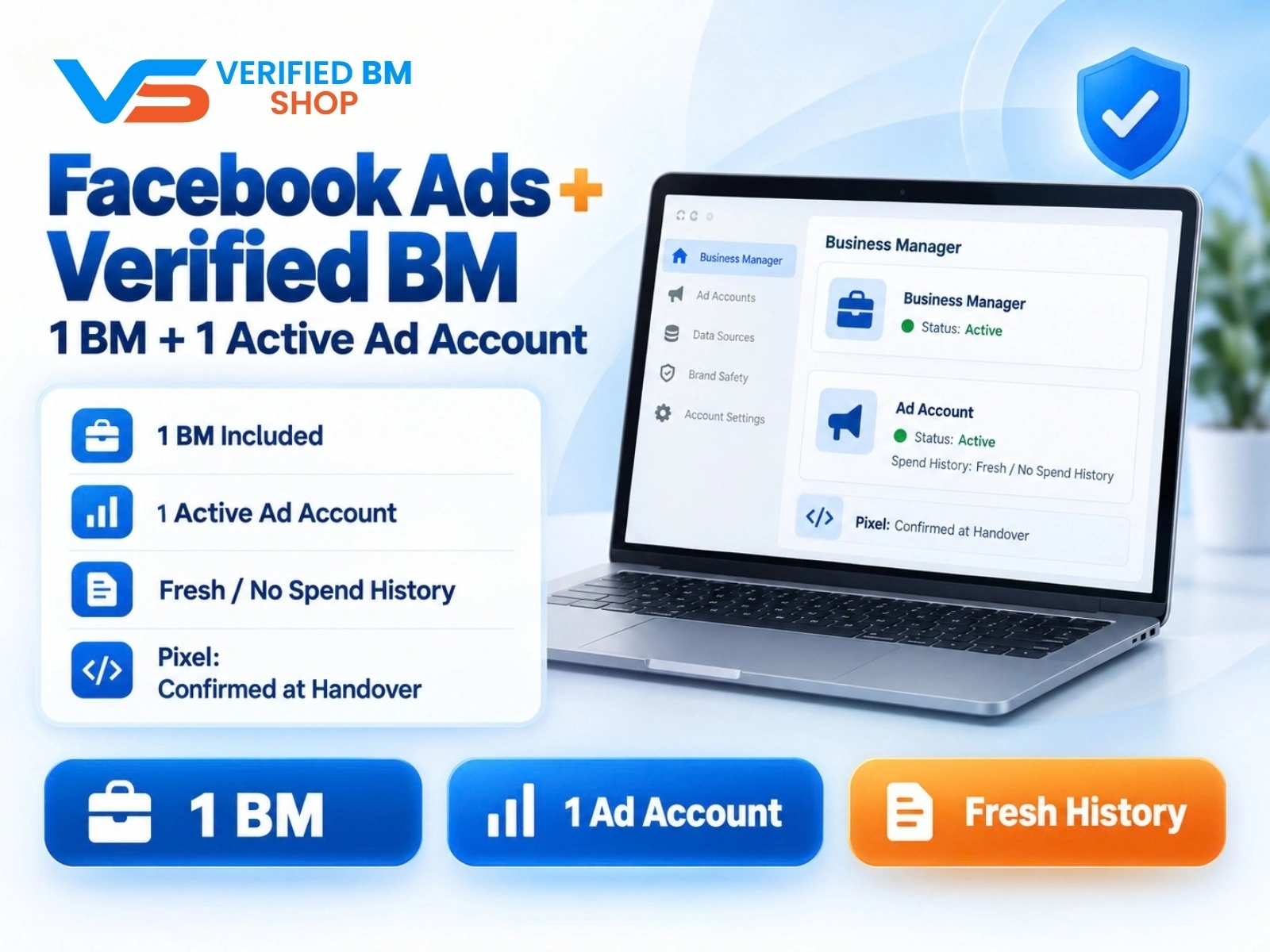
Facebook Ads Account + Verified BM Bundle
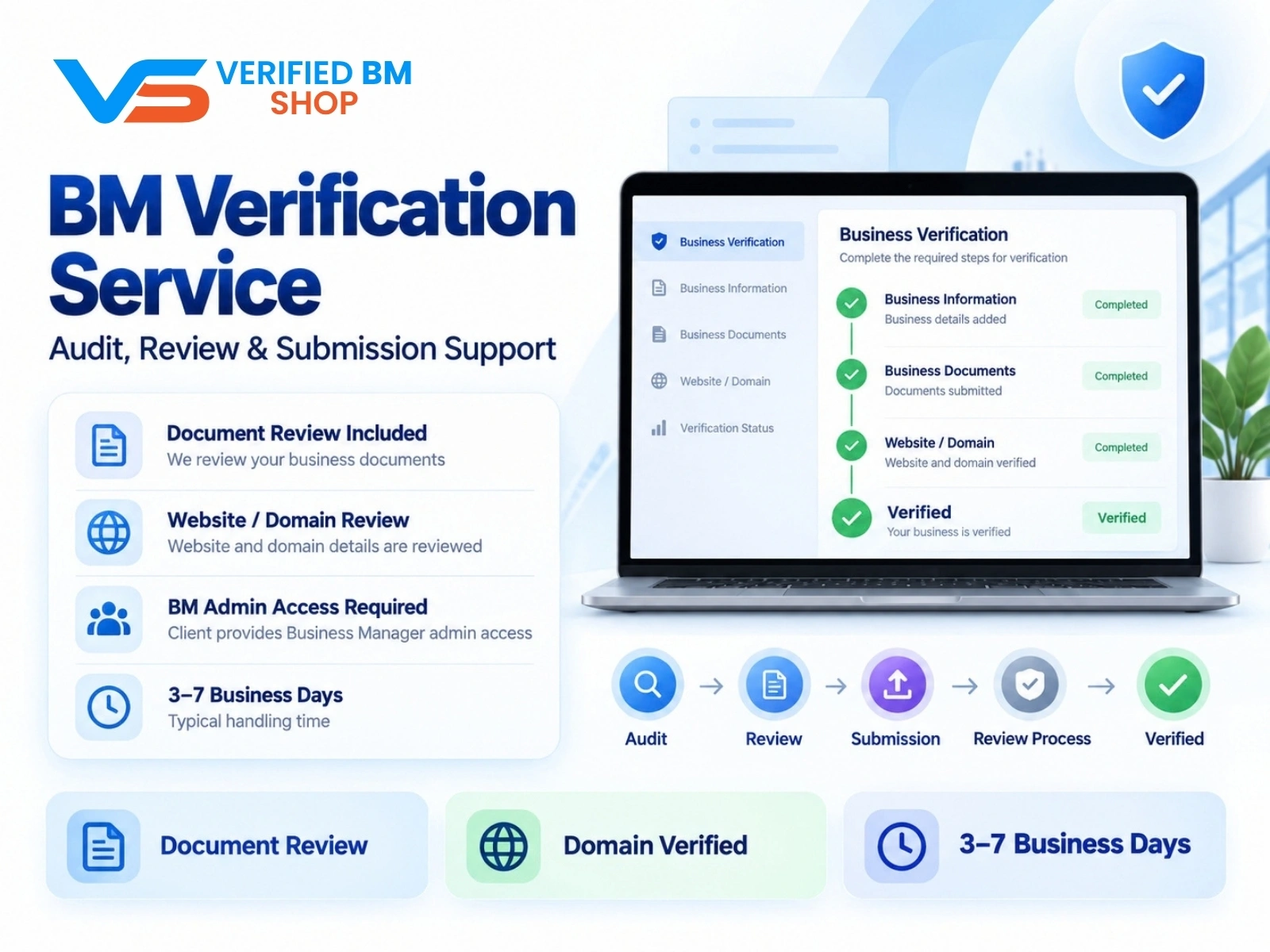
BM Verification Service
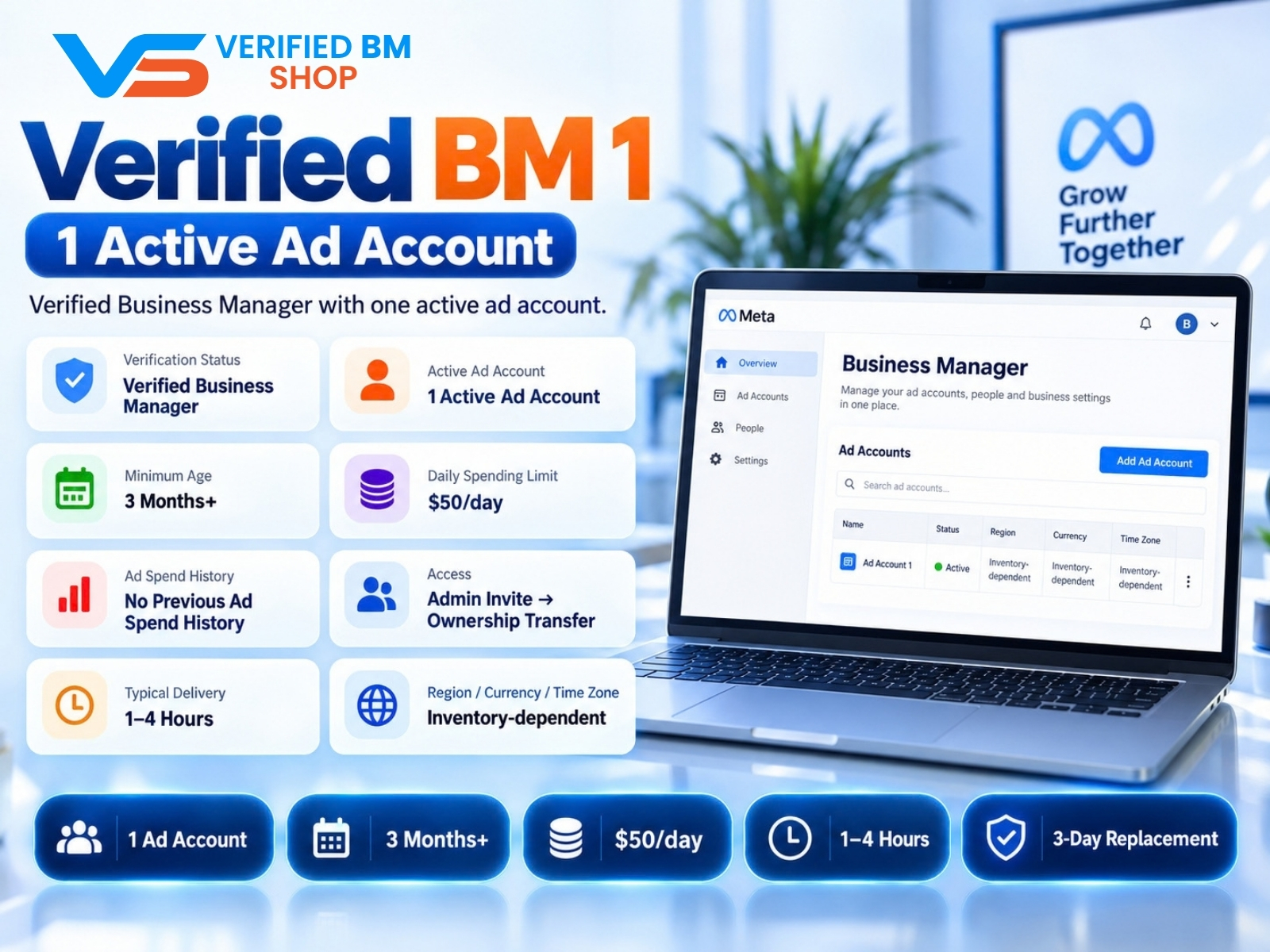
Verified BM 1 - Verified Meta Business Manager
Written by
Verified BM TeamThe VERIFIED BM SHOP team shares real-world experience in buying and selling verified Business Managers, WhatsApp API accounts and advertising platforms.
Comments (0)
No comments yet. Be the first to share your thoughts!
Leave a Comment
Your email will not be published. All comments are moderated.