

Quick Summary
Learn what an older Facebook profile can and cannot do for Meta business access, and how to reduce ownership, security, and policy risks.
An old Facebook profile is a personal Facebook account created some time ago. Its age may indicate a longer account history, but it does not prove strong ad quality, business ownership, or policy compliance.
For business use, the safer approach is to use a real person’s account, connect it to assets controlled by the business, and keep clear admin and recovery records. An older profile should not replace a verified business portfolio, sound billing practices, or compliant advertising.
What Is an Old Facebook Profile?
“Aged” usually describes the time since a personal profile was created. Sellers may also point to past activity, friends, posts, or account history, but these details do not create an official Meta rating that businesses can buy.
Account age and account quality are different. A long-standing profile may still have restrictions, unusual login signals, unpaid charges, identity issues, or past policy violations.
Factor | What it may show | What it does not prove |
|---|---|---|
Account age | When the profile was created | Better delivery, higher spend, or approval |
Recent activity | Some normal use over time | Authentic ownership or a clean policy history |
Profile access | Ability to log in | Legal authority to transfer or sell the account |
Business access | Permission to use selected assets | Ownership of the company or its documents |
Does an Old Facebook Profile Improve Advertising?
Meta does not state that account age alone improves ad delivery, lowers costs, raises spending limits, or prevents restrictions. No responsible provider can promise those results.
Meta may review signals such as identity, login behavior, payment activity, ad content, landing pages, business details, and past policy actions. A mature profile can still face review when business activity changes sharply.
For example, a profile with years of personal use may receive additional checks after a new device, country, payment method, or business asset appears. Age does not remove those checks.
Read why Meta ad accounts get restricted before treating profile age as an advertising strategy.
Legitimate Business Uses for an Established Facebook Profile
A genuine employee, founder, or agency staff member may use a personal profile to manage business assets. Meta provides permission-based tools that can allow people and partners to access eligible business assets, such as Pages, ad accounts, catalogs, and data tools, subject to the account’s available settings.
The profile remains personal. The business should retain documented ownership or control of its key assets and recovery methods, while employees and agencies receive only the permissions needed for their roles.
Administer a company Facebook Page or Instagram account.
Manage campaigns through a business-controlled ad account.
Review reporting, catalogs, pixels, or conversion settings where available.
Assign access to approved staff or agency partners.
Complete business tasks using a real identity and secure login.
Use role-based permissions instead of sharing one login. This creates a clearer record when a staff member leaves or an agency relationship ends.
Old Profile vs Reinstated Profile vs Verified Business Manager
These terms describe different things, so they should not be treated as equivalent.
Type | Meaning | Main concern |
|---|---|---|
Old Facebook profile | An older personal Facebook account | Age says little about current quality or ownership |
Reinstated profile | A profile restored after a restriction or disablement | Review its current status and available history |
Facebook Page | A public presence for a person, brand, or organization | It is not a personal login or business portfolio |
Verified business portfolio | A business portfolio that passed a Meta verification process | Verification does not excuse policy breaches or guarantee access |
A profile may administer a verified business portfolio, but it does not become a verified business because of that role. For a closer comparison, see reinstated profiles versus new accounts for ads.
The Risks of Buying or Sharing an Aged Profile
Facebook’s current Terms and account-security guidance generally require accurate account information and warn against sharing credentials or transferring personal accounts. Review the applicable Meta policies before using or acquiring an account.
A purchased profile can also create a dispute over who controls it. The original owner may retain recovery access, while a seller may hide old restrictions, linked assets, payment problems, or security alerts.
Even a successful handover can fail when Meta asks the real person to confirm their identity. Access arrangements that obscure the advertiser or bypass a restriction can put the business and connected assets at risk.
Ownership risk: the account may not be lawfully controlled by the business using it.
Recovery risk: the former owner may control the email, phone, or trusted devices.
Policy risk: past actions can affect current access.
Security risk: unknown sessions, apps, or admins may remain connected.
Operational risk: if a profile is disabled and it is the only or a critical administrator, the business may lose practical access to some assets until another authorized admin or Meta’s support process restores access.
How to Evaluate an Established Facebook Profile Safely
If a business is reviewing an established profile, start with ownership and policy status. Do not judge it by age, friend count, or screenshots alone.
Confirm that the profile belongs to the real person who will operate it.
Ask for a live review of account status, security alerts, and active sessions.
Check which email address and phone number control recovery.
Review connected Pages, business portfolios, ad accounts, apps, and payment methods.
Look for disabled assets, unresolved charges, rejected ads, or prior policy notices.
Confirm that the business can receive access through its own business portfolio.
Record the role, permission level, handover terms, and support contact.
Reject the arrangement if anyone suggests hiding ownership or sharing passwords.
A provider should explain what is being supplied. Personal profile access, Page control, ad account access, and business portfolio ownership are separate arrangements with separate risks.
Meta Policy, Identity, and Ownership Checks
Meta may ask for identity or business documents when it reviews a person, business, payment method, or advertising activity. Documents should match the real business and the details shown in its assets.
Business verification is separate from personal profile age. Depending on the business and verification flow, Meta may request information or documents such as legal business details, contact information, website or domain evidence, and official records.
Keep ownership clear across the setup. The company should retain documented ownership or control of its key assets and recovery methods, while agencies and partners receive only the permissions needed for their roles. Billing, Page administration, or other functions may be handled by a partner when that arrangement is documented and authorized.
When a personal profile is compromised or disabled, use Meta’s official support routes rather than a third party promising to bypass review. Our business account recovery guide explains safer access principles.
How to Secure a Legitimate Profile Before Managing Assets
The real user should secure the profile before adding valuable business assets. Use a unique password, current recovery details, and two-factor authentication on the account and business portfolio where available.
Enable two-factor authentication with an available approved method.
Remove unknown sessions, apps, and business admins.
Use secure, familiar devices where practical and keep account and recovery information accurate; these steps may improve security but do not prevent Meta security checks or enforcement.
Give staff the lowest permission level that fits their job.
Keep backup recovery codes in a controlled business location.
Review admin access after staff or agency changes.
Agencies should document who owns each asset and who can remove access. This reduces confusion during staff changes or client offboarding. See two-factor authentication guidance for agency business portfolios.
Safer Alternatives to Relying on an Aged Profile
A new, authentic profile used by the real business operator may be safer than a purchased account with unclear history. Build access through the company’s own business portfolio, then add trusted people and partners.
If you need established advertising infrastructure, assess the business portfolio, asset ownership, administrator identities, and policy history rather than treating an old personal profile as the main asset. A verified business portfolio remains subject to Meta’s advertising, payment, security, and business-information policies; verification does not guarantee approval, uninterrupted access, or exemption from enforcement.
Businesses preparing documents can also request verification and documentation review. Ask for clear ownership and policy terms before paying for any account or access arrangement.
Old Facebook Profile Checklist
The profile represents a real person who will use it.
The business does not rely on a shared password.
Recovery email, phone, and devices are controlled by the authorized user.
Two-factor authentication is active where available.
The business has documented ownership or control of its Page, business portfolio, domain, and billing setup.
Past restrictions, disabled assets, and payment issues have been checked.
Permissions match each person’s role.
No one is using the profile to evade enforcement or identity review.
Support and replacement terms are clear before any purchase.
Prioritize Authentic Ownership
An old Facebook profile can be useful when it belongs to a real operator and manages business assets through proper permissions. Its age alone does not improve ad performance or protect an advertiser from review.
Businesses should build around authentic identity, clear ownership, strong security, accurate documents, and a compliant business portfolio. When those points are unclear, pause the transaction and contact support before using the account.
Frequently Asked Questions
Quick answers to the questions buyers ask most.
What is an old aged Facebook profile, and does its age add value?
Is it safe or allowed to buy an old Facebook profile?
Can I use an old personal Facebook profile for business marketing?
How can I verify a business on Facebook without using an old profile?
How should I get access to a company’s Facebook assets safely?
How can I protect an old Facebook account that I still use?
How this helps verified BM buyers
Apply this guidance when buying verified Business Managers or WhatsApp Business API assets to reduce policy risk, improve account stability, and scale campaigns with cleaner operational workflows.
Compare Verified BM options · Next steps: compare products in the Shop, review implementation details in FAQ, and contact support from the Contact page.
Recommended for You
Hand-picked from our shop — delivered fast after payment.
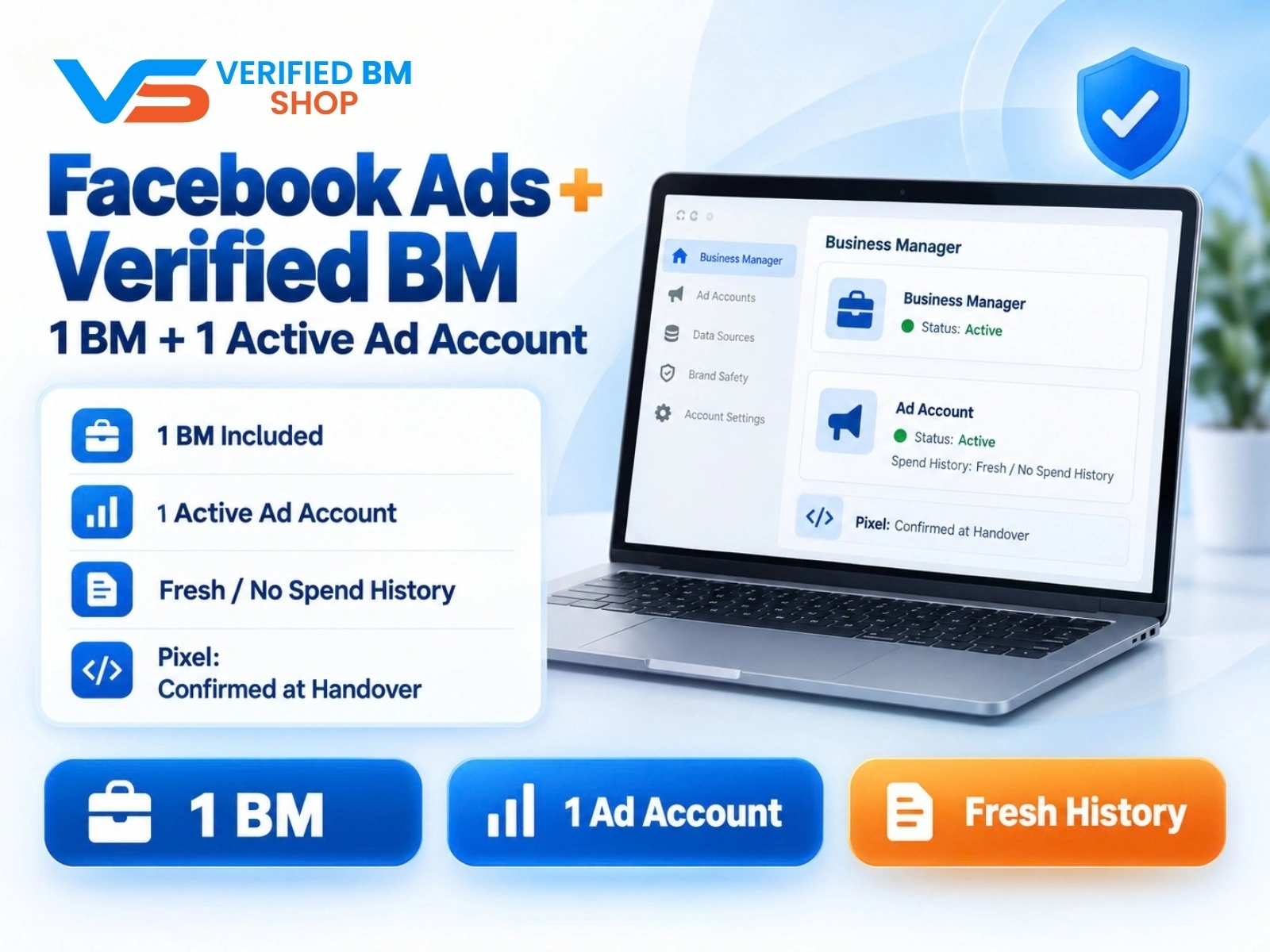
Facebook Ads Account + Verified BM Bundle
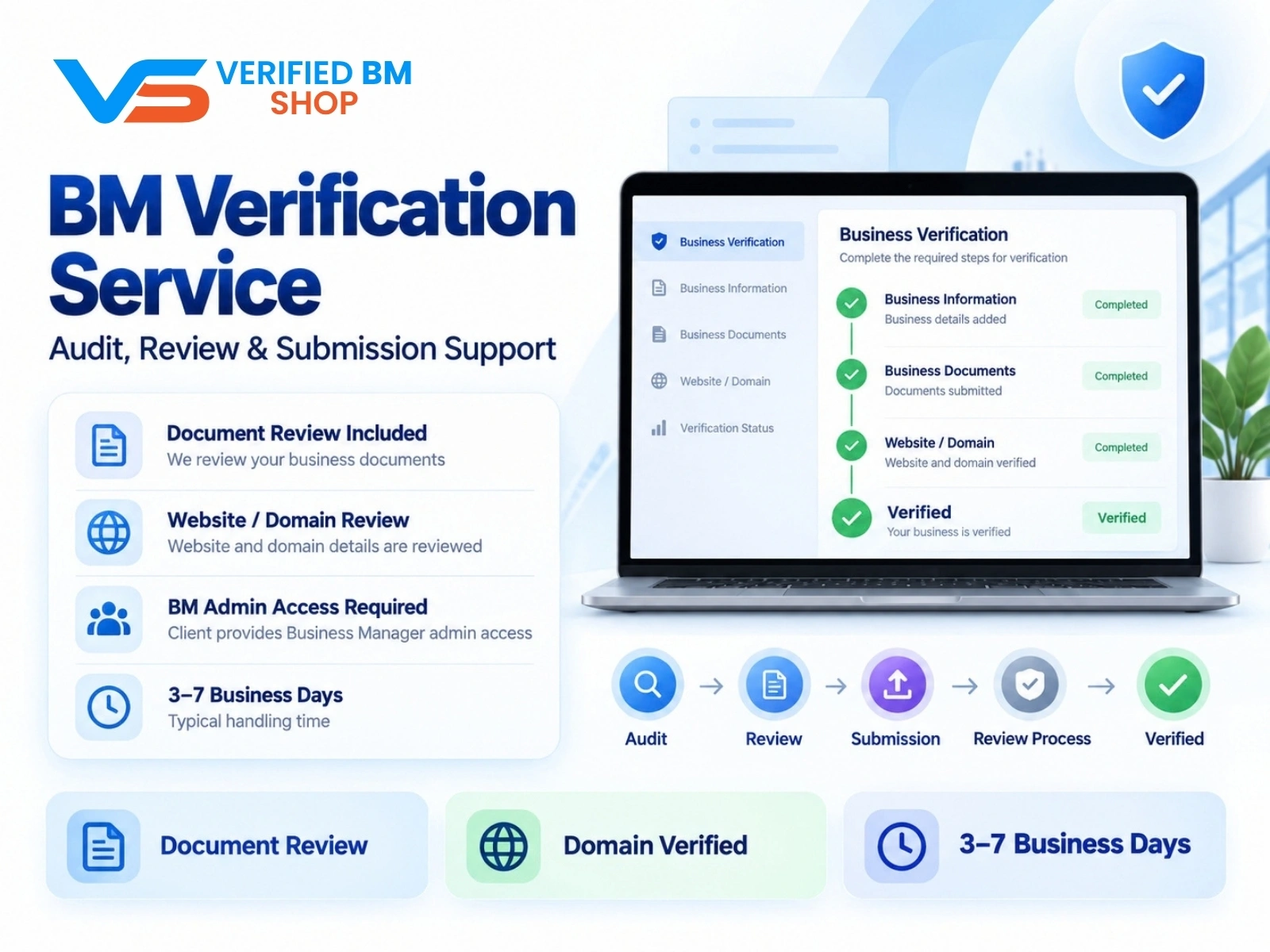
BM Verification Service
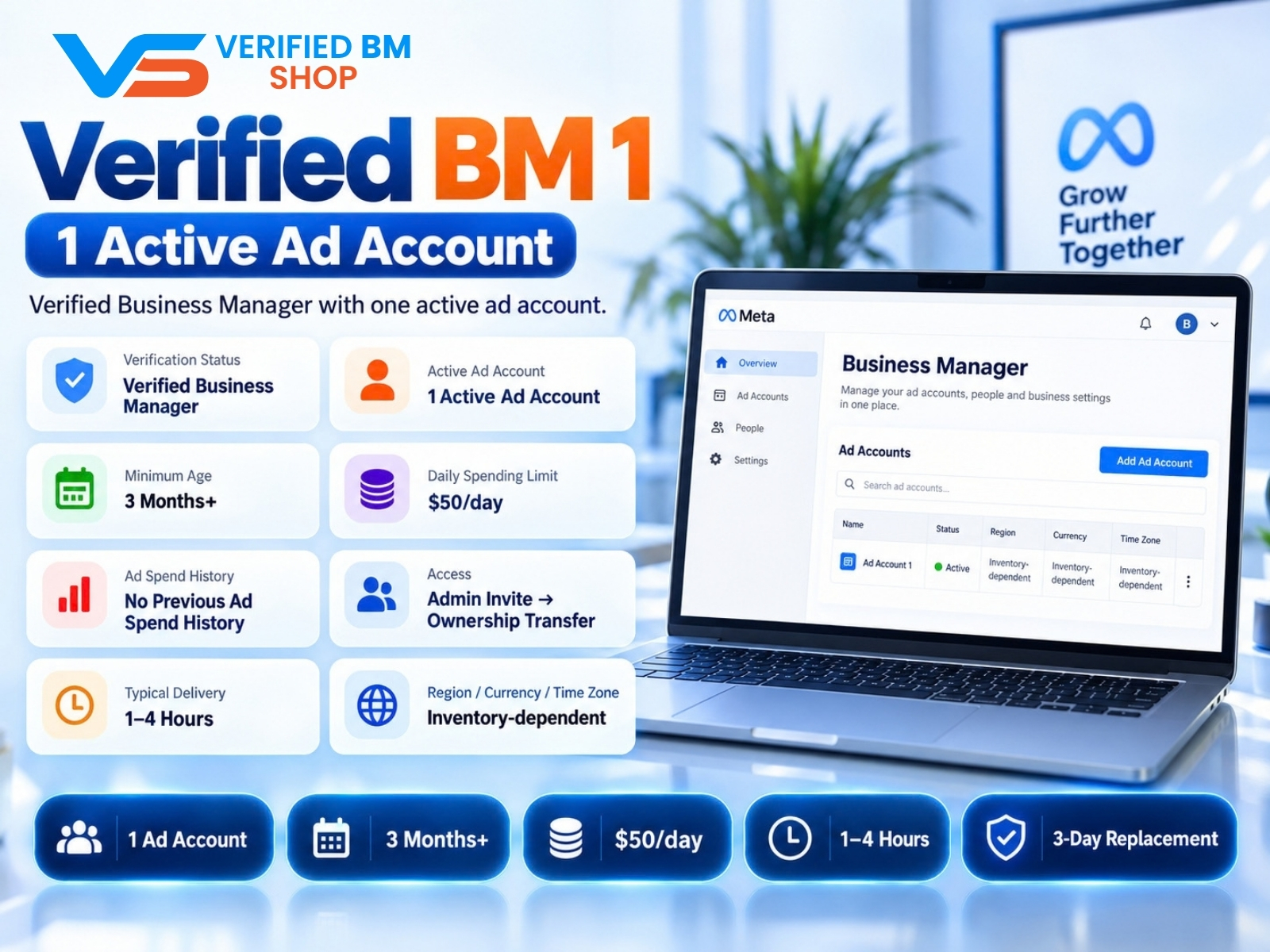
Verified BM 1 - Verified Meta Business Manager
Written by
Verified BM TeamThe VERIFIED BM SHOP team shares real-world experience in buying and selling verified Business Managers, WhatsApp API accounts and advertising platforms.
Comments (0)
No comments yet. Be the first to share your thoughts!
Leave a Comment
Your email will not be published. All comments are moderated.